Stationary Trommel Screen
Heavy-duty fixed trommel screen for large-scale MSW processing plants, delivering reliable drum rotation with multiple fraction outputs.
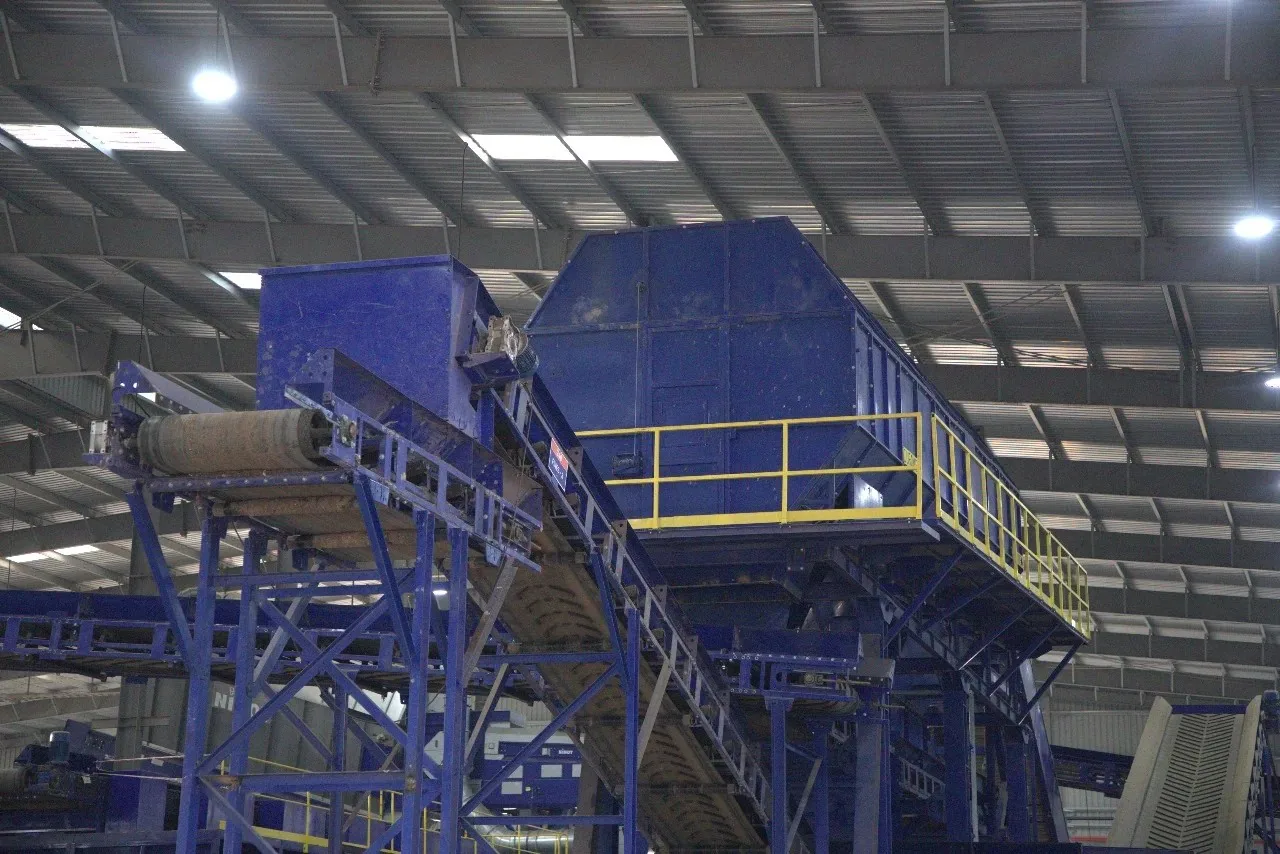
About This Product
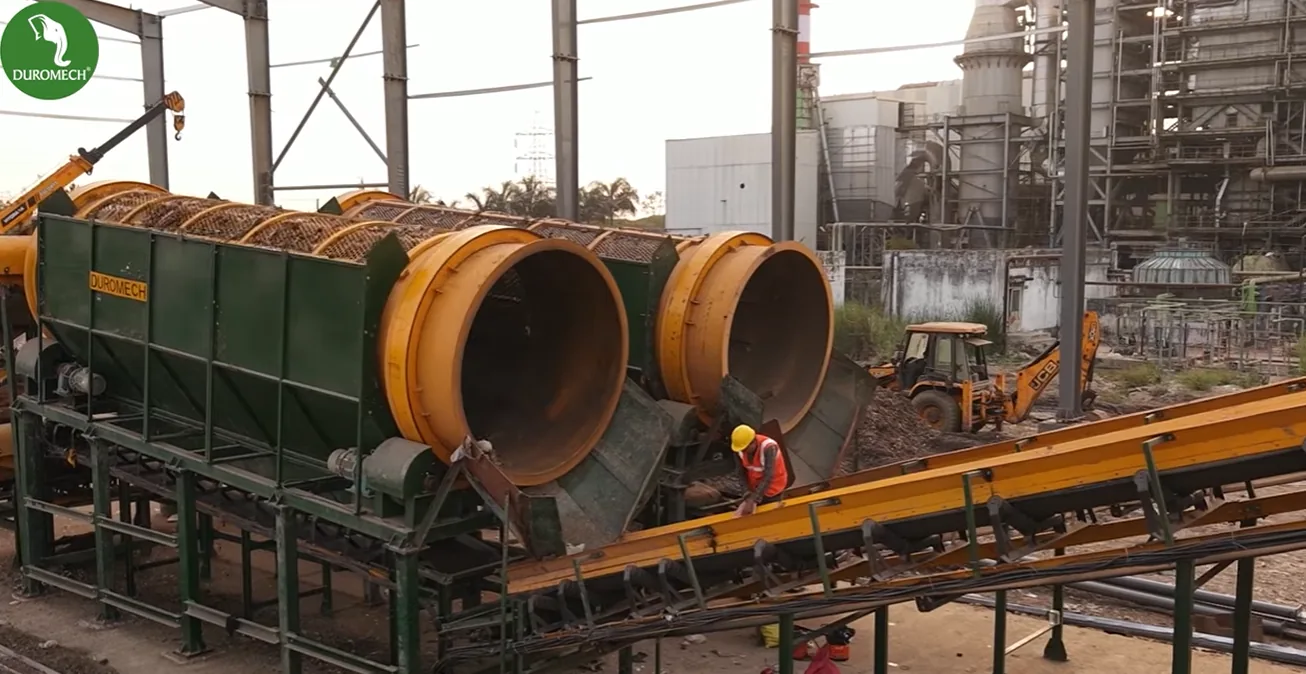
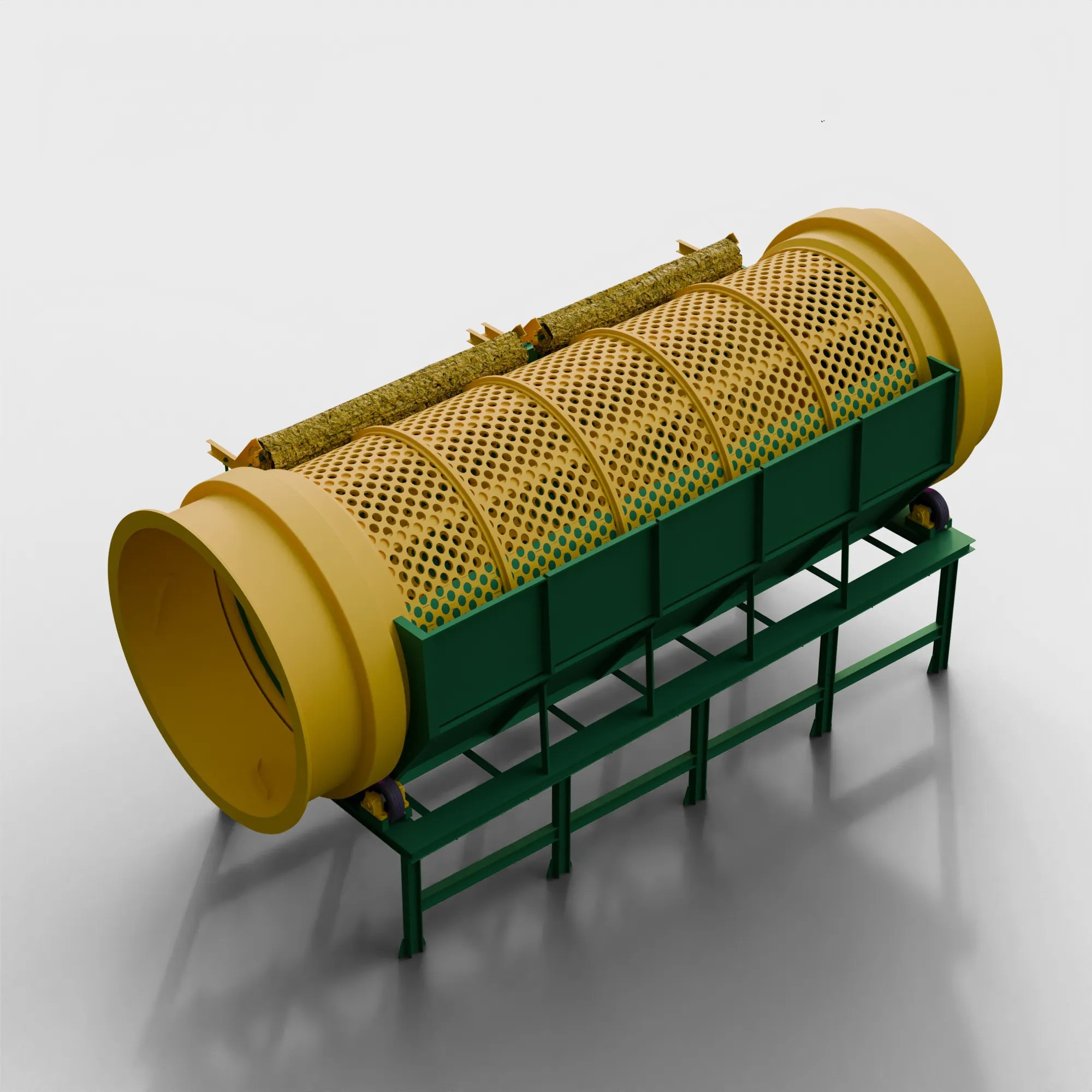
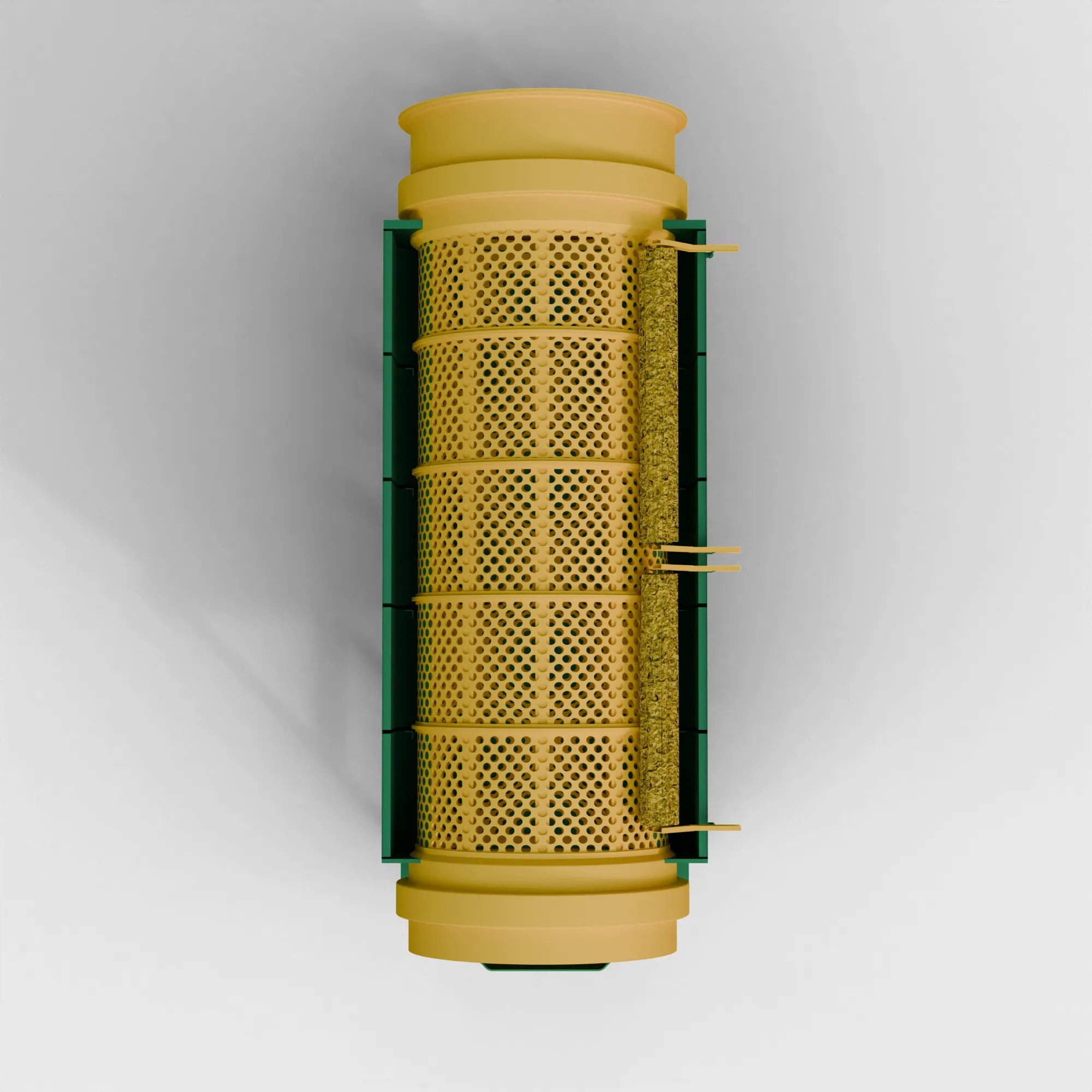
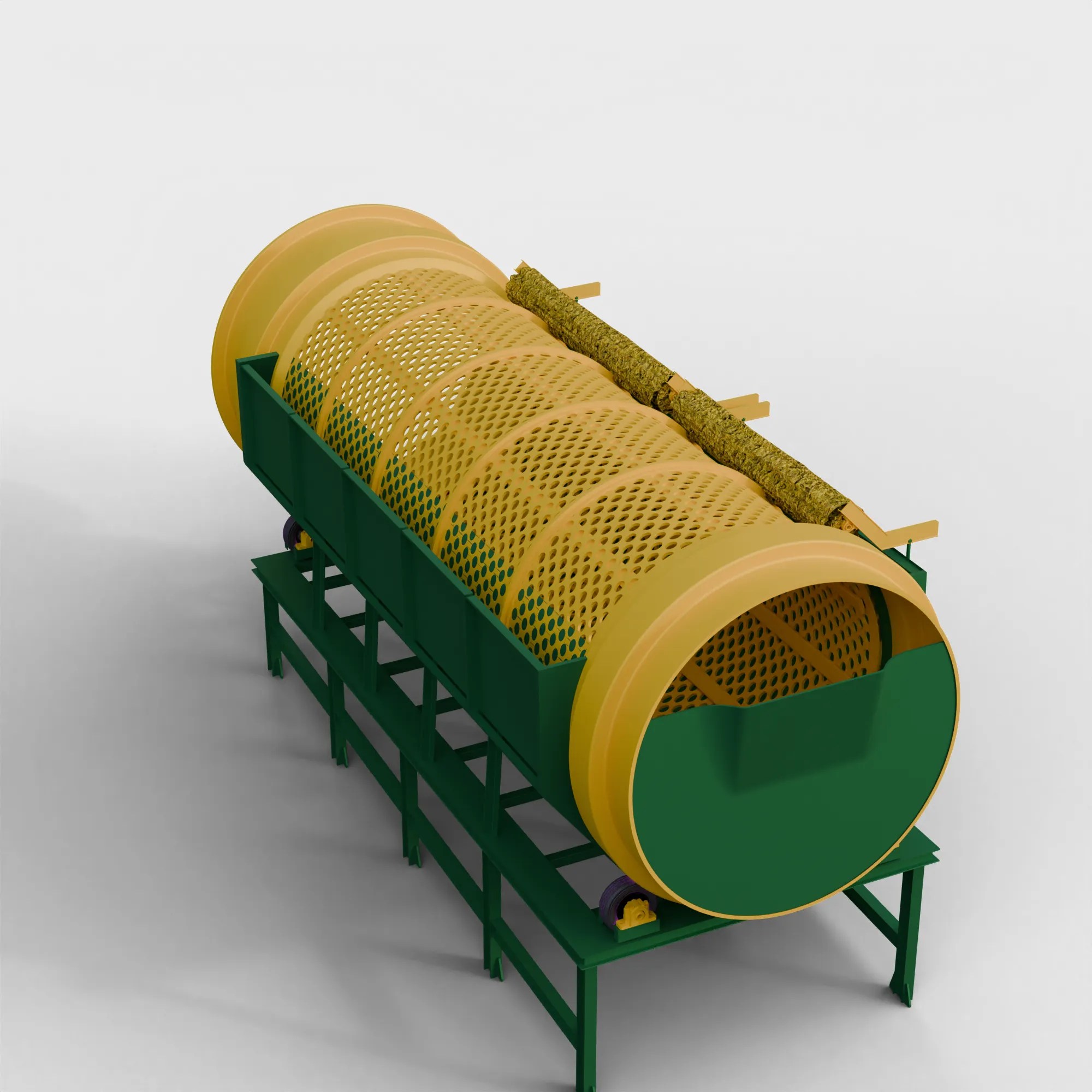
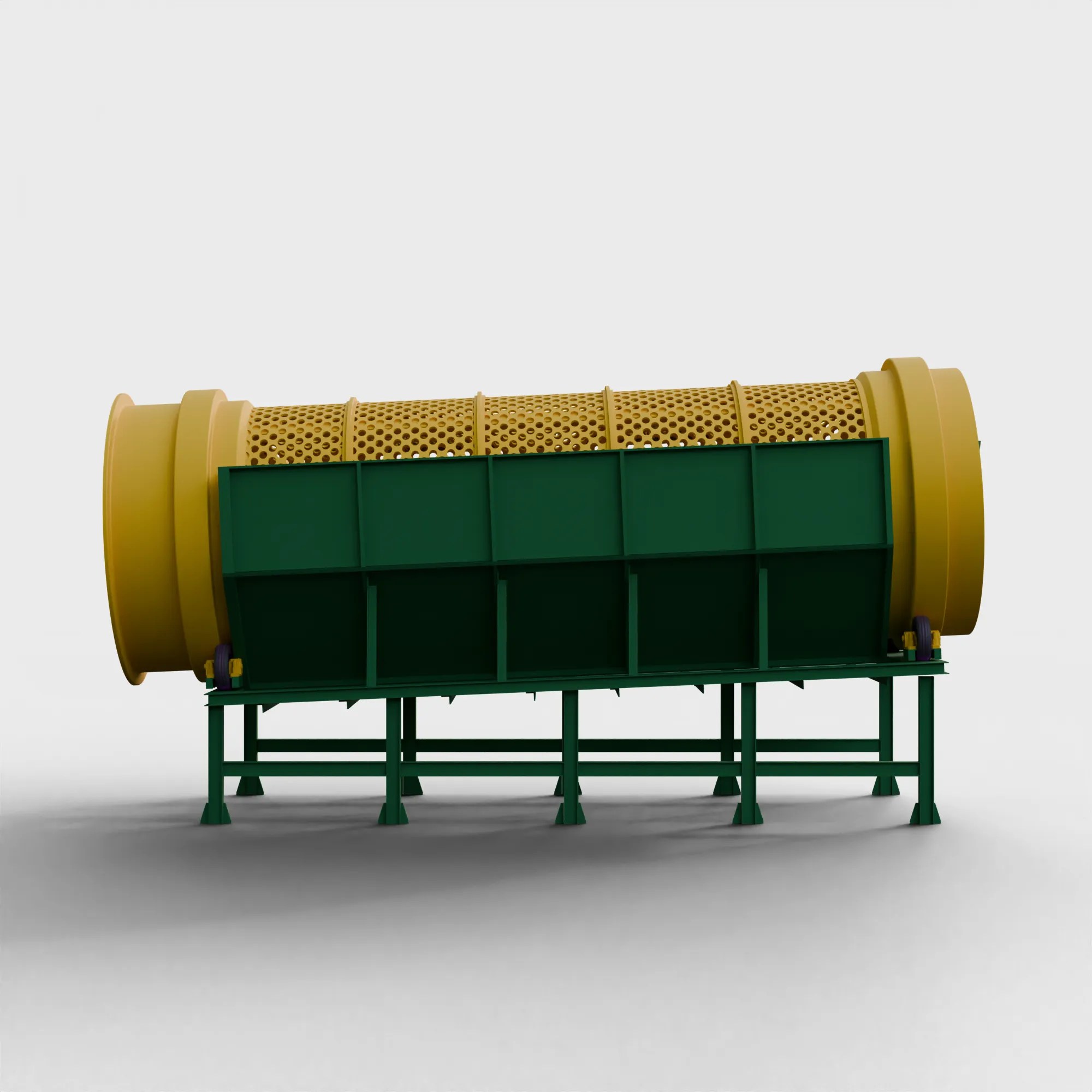
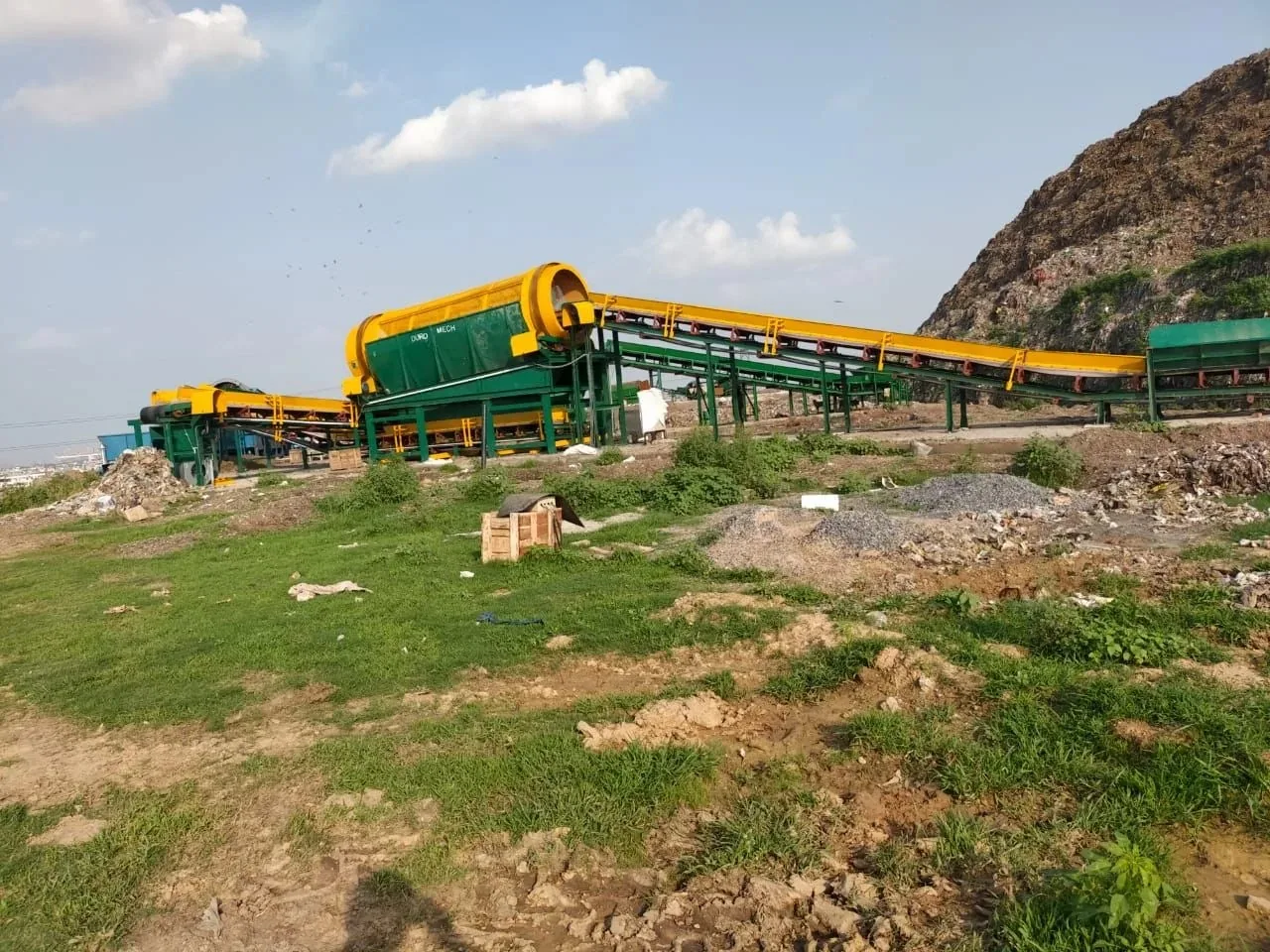
A stationary trommel screen is a machine used to separate materials by size. It works like this: A cylindrical drum rotates on an axis. The side of the drum is punctured, allowing material to pass through based on its particle size.
Stationary trommel screens are found in an increasing range of industries, including mining (separating ore and precious metals from soil/rock), recycling (separating recyclables like glass, metals, and plastics), construction (classifying materials such as sand, gravel, and crushed stone), and agriculture (screening compost and soil).
Components of a Stationary Trommel Screen
Drum (Cylinder)
The size of the drum varies according to usage, with larger drums handling higher volumes. Generally composed of ultra-hard materials such as steel or stainless steel, to be able to withstand rough conditions.
Motor and Drive System
Drives the forward rotation of the drum to accomplish efficient screening.
Infeed and Discharge Chutes
Infeed Chute: The material is pushed into the drum. Discharge Chute: The screened material comes out of the machine.
Support Frame
This holds the trommel screen steady, so that it works smoothly.
Screen Panels
Mesh size varies with the desired size of material separation. Material type can be wire mesh, rubber, or polyurethane.
How It Works
The stationary trommel screen uses a rotating cylindrical drum to separate materials by size through a simple but highly effective process:
- 1 Material Loading: Material is loaded into the infeed chute, entering the rotating drum.
- 2 Rotation and Screening: Material tumbles and rolls inside the drum as it rotates. The perforated sides allow bits of material smaller than a certain size to fall through, while larger particles continue moving along the drum.
- 3 Size Separation: The drum's rotational speed and angle can be adjusted for different materials to give the best separation efficiency.
Types of Stationary Trommel Screens
Heavy-Duty Screens
Designed for industrial applications with high wear and tear, such as mining.
Light-Duty Screens
Usage areas range from small-scale composting to simple construction waste classification.
Custom Trommel Screens
Matches work requirements sharply with drum size and mesh configuration available in many different materials.
Key Benefits
High Throughput
Processing a lot of material in a relatively short time.
Durable Construction
Made of hardy materials to cope with the tough characteristics of working environments.
Low Maintenance
Fewer moving parts in general and a simple and straightforward construction.
Versatile
Practical across all kinds of industries and on all sorts of materials.
Where It's Used
Mining
Mining companies use heavy-duty trommel screens to separate gold from soil effectively.
Refuse Processing & Recycling
Converts glass, metal, and plastic waste into valuable recyclables through efficient separation.
Composting
Farms use trommel screens to produce high-quality compost by separating organic waste from other refuse.
Design Considerations
To select a suitable trommel, it is very necessary to determine the volume of material to be processed.
Consider material properties such as abrasiveness, moisture content, and item size distribution.
Assess conditions like temperature, humidity, and exposure to corrosive substances. Make sure the drum's design and mesh size meet the required separation effects.
Maintenance & Troubleshooting
Regular Maintenance
Drum and screen panels are lined up fortnightly. Keep them clean. Lubricate the components that come into contact with one another to protect against friction and wear.
Common Issues & Solutions
Wearing parts shall be replaced in time (panels and pieces). Make sure the motor and drive system are running smoothly by checking them on a regular basis.
Frequently Asked Questions
They have applications in a variety of materials, including soil, mulch, waste and other mixed recyclables. It is also used in mining for the separation of ores and minerals from waste rock.
It includes a rotating cylindrical drum that directs material through the screens during its rotation. The material is picked up as the drum rotates and then dropped on top of a perforated screen in order for smaller particles to pass through the openings while larger ones continue lengthwise inside the drum until they are discharged at its end. Rotation speed, drum angle, and screen mesh size can all be adjusted to optimise the screening process.
The type and volume of material to be screened, the desired particle size separation specification, the ambient operating conditions with regard to temperature or dust control needs, as well as a given screening efficiency, should take precedence. Furthermore, discuss the overall build quality and then the aftermarket service that will be given on the said trommel screen with special bespoke options for your specific use case.
A stationary trommel screen requires regular maintenance, such as inspection and cleaning of the drum, checking of screen panels, lubrication, etc. When worn-out parts are replaced and the drum is cleared, issues are addressed promptly to keep systems running smoothly reducing wear, performance degradation and equipment life span.
Stationary trommel screens have several advantages, including large material processing rates, robust long-lasting construction, minimal moving parts for low maintenance, and user-customisable configurations to meet the varying needs of different industries. That is why trommel screens have a very low purchase and maintenance cost; they are also perfect for the screening of compost.
About Duromech®
Established in 1981 by Shree R.L. Thapar, Duromech® has a rich history spanning over 45+ years. We have consistently served our customers with a passion for innovation and a commitment to quality.
Interested in the Stationary Trommel Screen?
Get a free quote from our engineers — tailored to your requirements.
